
Solar Panels with vs without batteries: Cost Comparison
When considering solar panels, one of the biggest questions homeowners and businesses ask is whether adding a battery is worth the extra cost. Solar panels alone can deliver strong savings, but pairing them with battery storage can significantly increase how much you save and how much control you have over your energy.
Below is a simple breakdown of the real cost difference between solar panels with and without batteries.

Solar Panels Without a Battery
Solar panels without battery storage generate electricity during daylight hours. Any power you do not use immediately is exported back to the grid.
What this means for your bills
Most households use a large portion of their electricity in the evenings when solar panels are no longer producing energy. Without a battery, you typically use only 30–40% of the energy your system generates.
Typical benefits
- Lower electricity bills
- Lower upfront installation cost

Typical annual savings
For an average UK household, solar panels without a battery can save around £350–£450 per year, depending on system size and energy use.
Solar-only systems are a good starting point but much of the energy you generate may be sold back to the grid at a lower value than the cost of buying it later.

Solar Panels With a Battery
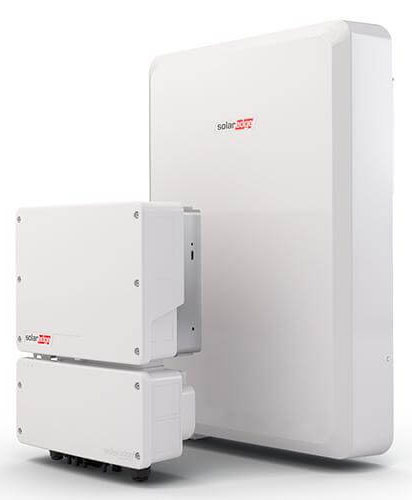
Adding a battery allows you to store unused solar energy during the day and use it later in the evening or overnight when electricity is more expensive.
What this means for your bills
With a battery, households typically increase solar self-use to 60–80%, meaning far less electricity is bought from the grid.
Typical benefits
- Higher energy bill savings
- Greater independence from energy suppliers
- Protection against rising electricity prices
- Backup power during outages depending on system design
Typical annual savings
With a solar battery installed, annual savings often increase to around £800–£1,400 per year, depending on battery size usage and electricity tariffs.
This means a battery can add £400–£500+ in extra savings each year compared to solar panels alone.
Cost Comparison Summary
While batteries increase the initial investment, they also improve long-term value and shorten the time it takes to maximise your solar return.
Without a battery
- Lower upfront cost
- Moderate annual savings
- Lower self-consumption of generated energy
With a battery
- Higher upfront cost
- Significantly higher annual savings
- Much greater use of your own clean energy
Get Started Today
Ready to make the switch to solar? Let’s design a system that works for your home or business.